
October 13, 2026
NSF Award Advances Georgia Tech-Albany State Semiconductor Research
4 min read
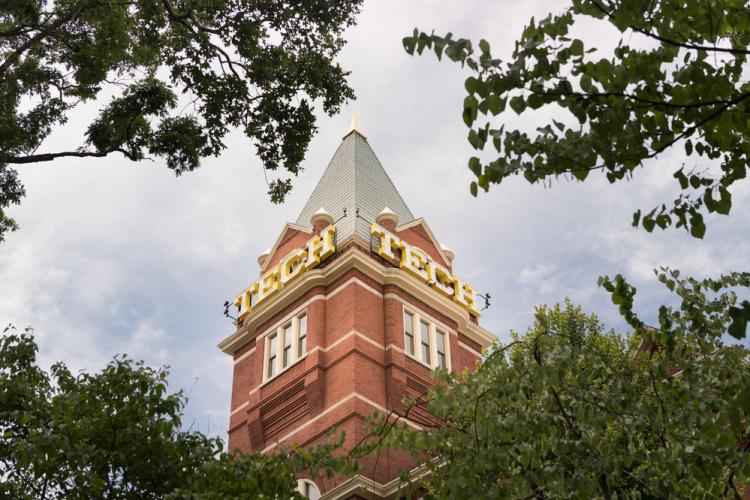
A Georgia Tech-Albany State University partnership that began with seed funding has received a $1.3 million National Science Foundation award to advance scalable perovskite semiconductor manufacturing and expand student research opportunities.
Read More
October 9, 2026
NNCI Image Contest Winners Announced
1 min read
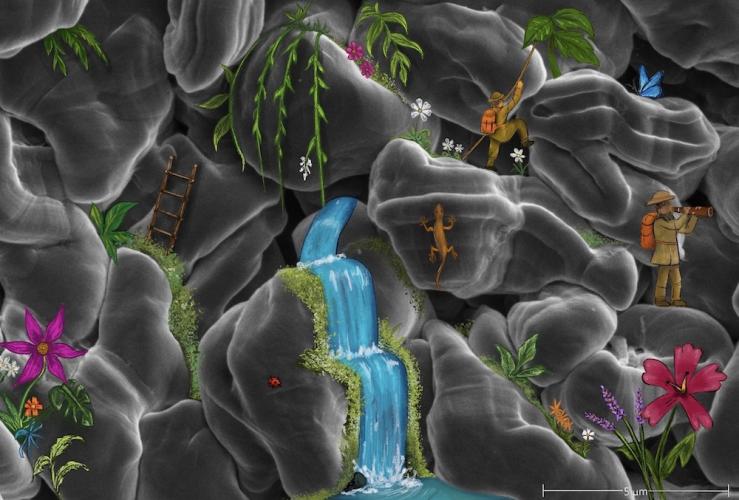
The National Nanotechnology Coordinated Infrastructure (NNCI) announced the winners of the 2026 image contest.
Read More
October 6, 2026
Georgia Tech Launches Center to Advance Quantum Research and Innovation
4 min read
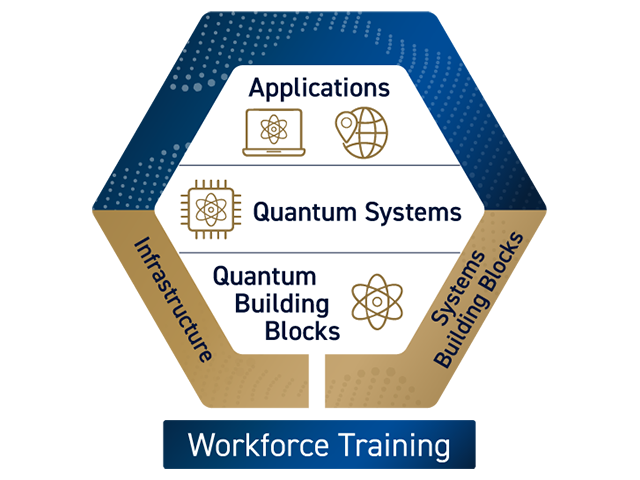
The Georgia Tech Quantum Applications Research Center will connect expertise from across Georgia Tech and GTRI to advance quantum research, collaboration, and support emerging technologies.
Read More
October 2, 2026
Georgia Tech and Amazon Launch Joint Science Hub
3 min read
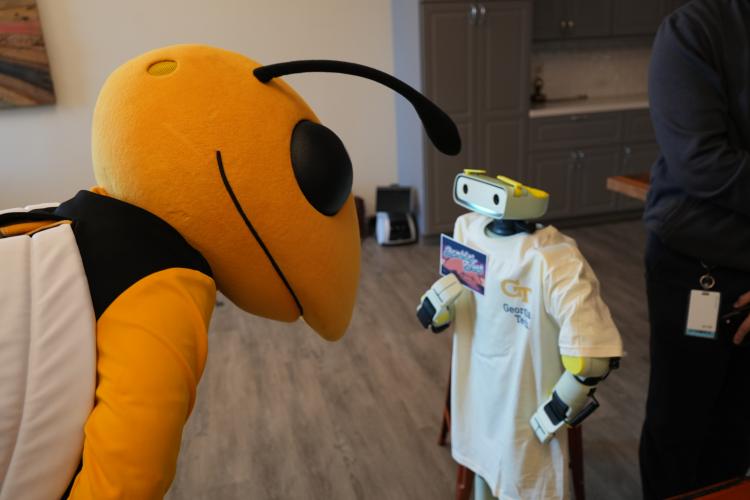
The collaboration will support research in robotics, industrial and systems engineering, and aerospace technology while fostering innovation in foundational and emerging technologies.
Read More
October 1, 2026
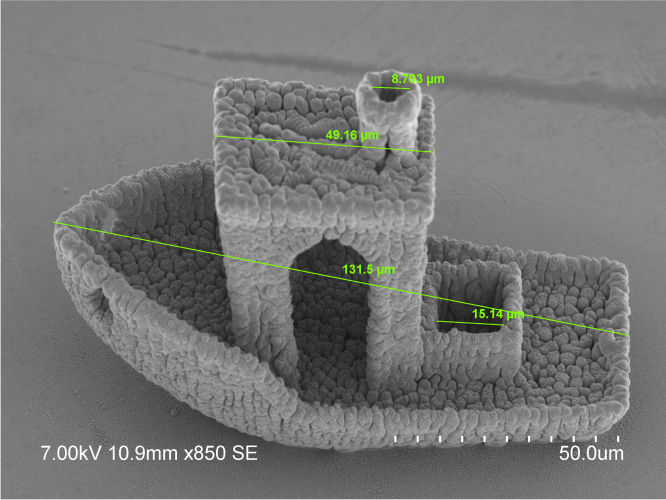
High School Students Create Microscopic Boat in a Bottle
3 min read
Four metro Atlanta students used advanced microfabrication technologies during a summer internship at Georgia Tech to create a boat in a bottle approximately 200 microns long.
Read More
September 28, 2026
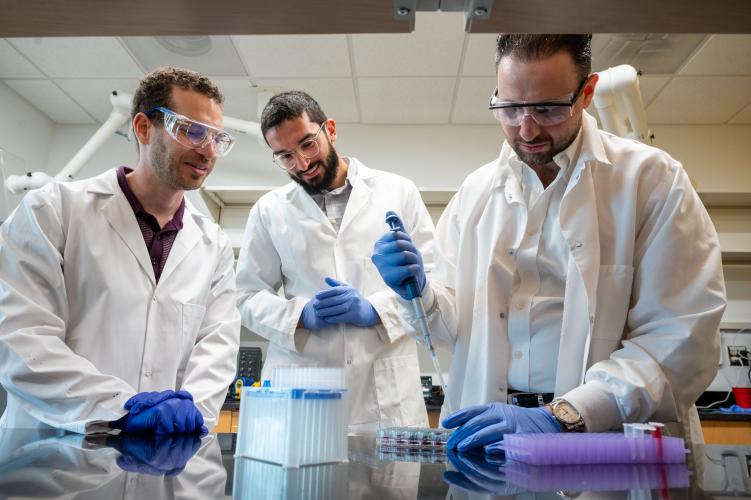
Gut mRNA Tech Supercharges Vaccine and GLP-1 Delivery
4 min read
Georgia Tech and Emory researchers found that delivering vaccine and GLP-1 mRNA nanoparticles through different regions of the gastrointestinal tract can redirect therapies to key organs while reducing side effects.
Read More
September 24, 2026
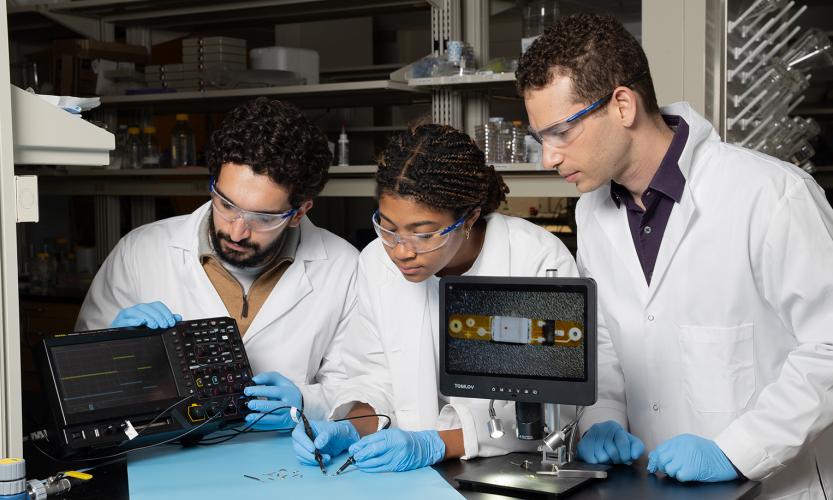
Engineers Connect Health Wearables and Implants Using the Body as the Network
1 min read
Inspired by the ionic signaling of our nervous system, researchers built sensors and therapeutic devices that can communicate and coordinate with each other through tissue.
Read More
September 22, 2026
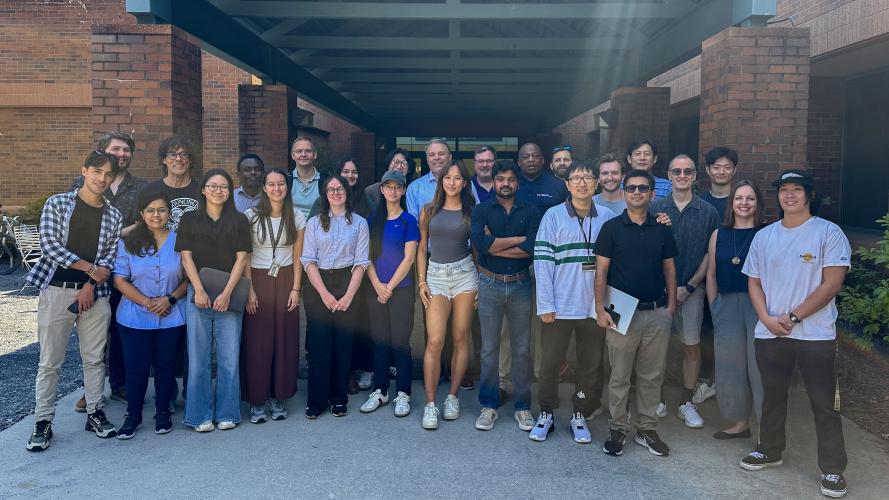
2026 Graduate Apprentice Cohort Announced
2 min read
The Institute for Matter and Systems has selected its second graduate apprentice cohort, expanding the program to give students technical training while supporting Georgia Tech research facilities.
Read More
September 11, 2026
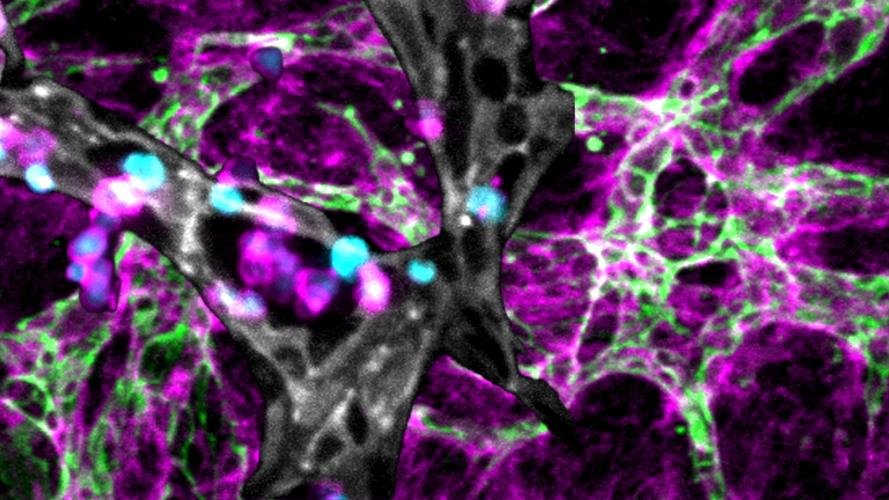
A Window Into the Hidden World of Immunity Inside Human Bone Marrow
4 min read
In a study published in Science Advances, the team developed a human bone marrow-on-a-chip, enabling them to directly observe human antibody-secreting cells.
Read More

September 8, 2026
Accelerating Young Passion Into Bold Innovation: Mengkun Tian’s Employee Spotlight
2 min read
Through collaborative research, student mentorship, and advances in AI‑driven microscopy, Tian’s work at IMS reflects a lifelong dedication to understanding and innovating with materials.
Read More
September 1, 2026
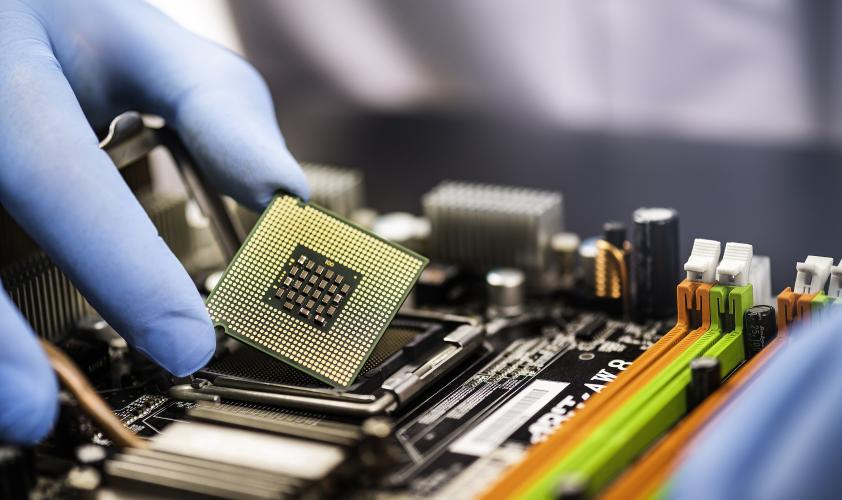
Georgia Tech to Help Shape the Microelectronics Workforce Through National Education Network
2 min read
The Institute for Matter and Systems will coordinate education and workforce initiatives in a 10-state regional consortium.
Read More
August 31, 2026
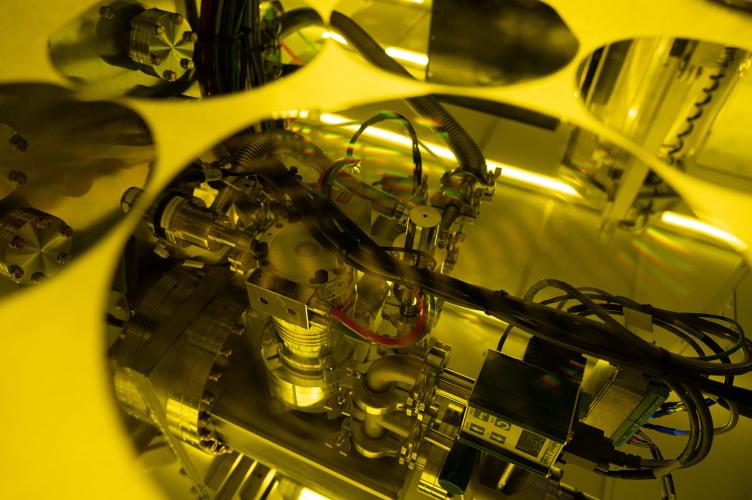
Shared Tools, National Influence: Georgia Tech’s Decade of Nanotechnology Leadership
1 min read
A national network coordinated by Georgia Tech expanded access to advanced tools and helped shape the next generation of research facilities.
Read More
Visit our Research News Center
The Institute for Matter and Systems regularly releases articles and videos featuring its research, faculty, and students. This includes stories about microelectronics, built environment technologies, advances in infrastructure systems, and other technologies that improve the human condition.